

A new chapter in the SUSUES project: From single-use to reusable endoscopes
After a year of using and evaluating single-use endoscopes at Zealand University Hospital, the SUSUES project has reached an important milestone. The project is now moving into its next phase, focusing on reusable endoscopes.
This transition marks a key part of the assessment of the endoscopes’ clinical quality, which contributes to the overall evaluation of the equipment’s sustainability.
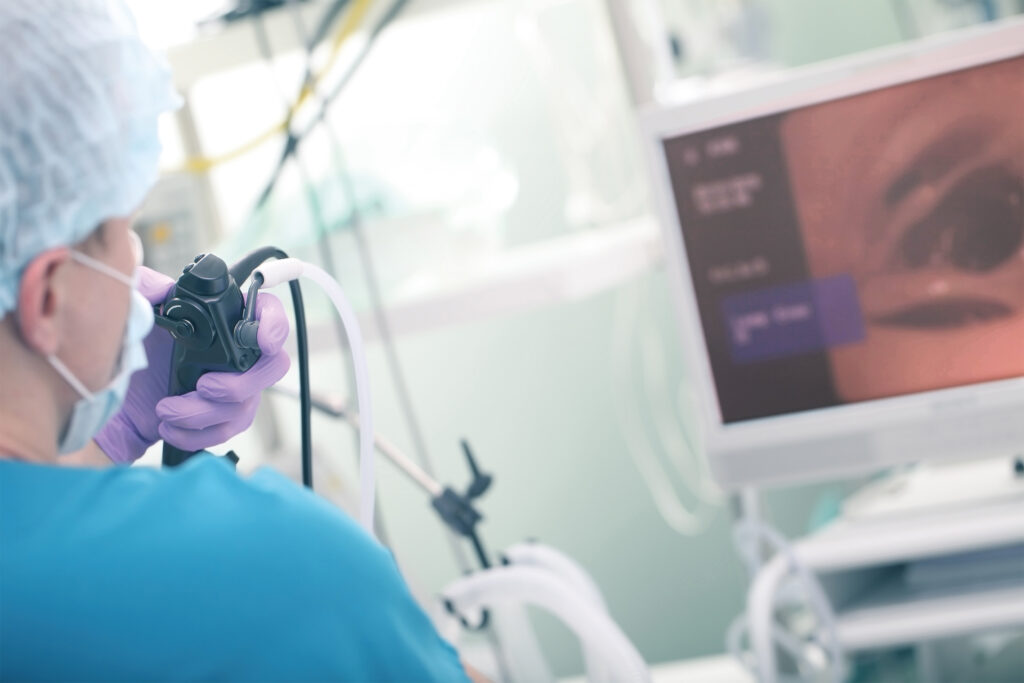
Over the past year, the department has mainly used single-use gastroscopes to examine and treat the oesophagus, stomach, and first part of the small intestine as part of the project’s data collection.
The goal has been to get a clear picture of how using disposable equipment affects daily work, patient safety, and the use of resources.
Through surveys, observations, and interviews with the staff involved, the project has gathered valuable insights, which now form the basis for comparing the two types of medical equipment.
Focus Shifts to Reusable Endoscopes
With the switch to reusable endoscopes, the project enters a new phase.
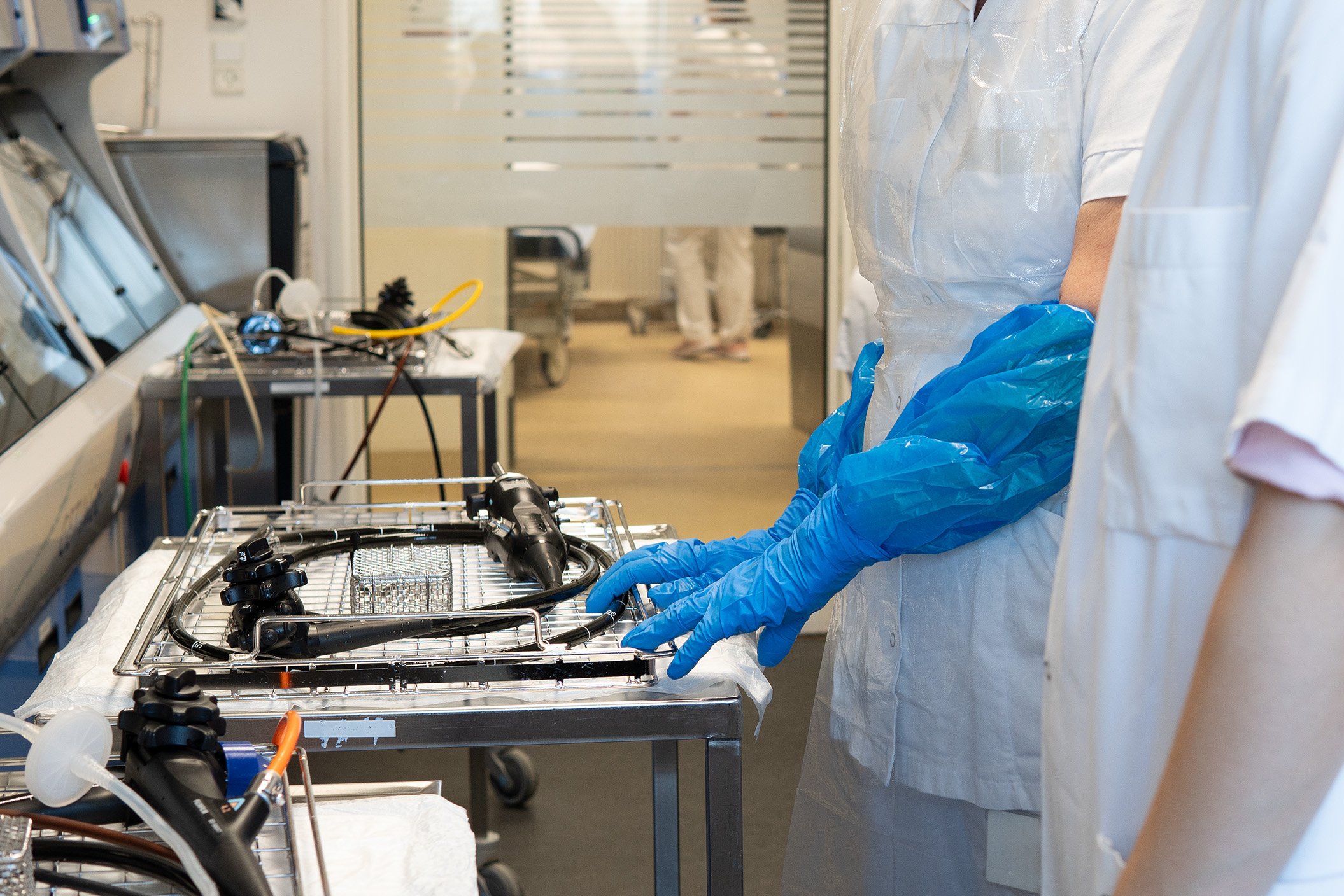
Over the next year, a similar data collection will take place as the department returns to using reusable endoscopes – the type that was used for most procedures before the project began.
Once the data collection for reusable endoscopes is complete, the project will be able to analyse and compare the results.
The goal is to determine whether the two types of endoscopes provide the same clinical quality, or if one has clear advantages.
Cross-Border and Cross-Discipline Collaboration
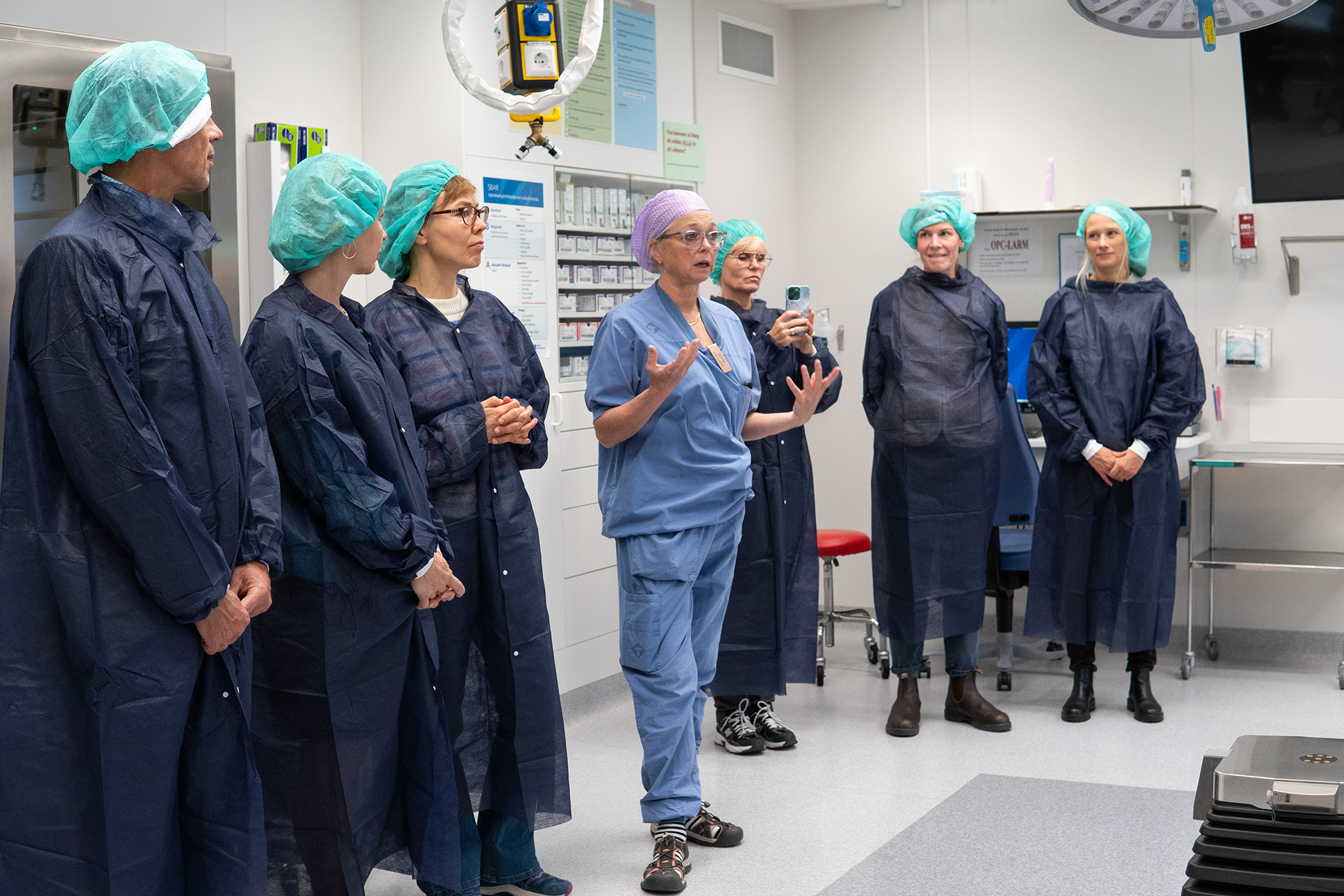
The assessment of the endoscopes’ clinical quality is being carried out at two hospitals – in Denmark and Sweden – to ensure that the results are not just locally relevant.
At Norrlands University Hospital in Umeå, a similar data collection is being conducted for both single-use and reusable endoscopes.
This parallel approach gives the project the best conditions for building a broad and reliable dataset.
At the same time, data on economic and environmental sustainability are being collected at both hospitals.
The combined datasets form the basis for the final assessment of the sustainability potential of the two types of endoscopes, evaluated from three perspectives: clinical quality, cost, and environmental impact.
During the project, an operational model is also being developed to show how similar analyses can be carried out in other areas of healthcare.
The model is designed to make it easier for hospitals and decision-makers to make informed choices about equipment and methods – taking into account the environment, costs, and quality.